In 2026, restaurant lead generation is about building a simple system that keeps your restaurant visible, trusted, and easy to choose whenever people decide where to eat, instead of just relying on walk-ins or delivery apps.
By showing up with strong photos, reviews, and clear offers, and using your online presence to capture contact details, you create predictable demand instead of last-minute guesswork. This guide walks through six practical strategies to get more restaurant leads, attract diners who become regulars, and fill seats without discounting your way there.
Executive Summary
How to Generate High-Quality Leads for Your Restaurant
The most effective restaurant lead generation in 2026 is not about running more promotions or being on every delivery app. It is about building a simple system that keeps your restaurant visible, trusted, and easy to choose in the exact moments people are deciding where to eat.
- You consistently attract the right diners from search, maps, social, and AI recommendations.
- You turn first-time visitors into regulars with targeted messages and well-timed offers.
- You run a predictable lead engine because you know which efforts drive covers and repeat visits.
1. Know Your Ideal Diners Before You Generate Leads
Most restaurants try to appeal to everyone who likes food and end up blending into the background. Effective restaurant lead generation starts with knowing exactly who you want to attract and keep coming back.
Define 2-3 priority diner profiles
Think in terms of real people, not just customers. For each profile, write down why they choose a place to eat (speed, experience, cuisine, price, atmosphere), when they usually come (weekday lunch, weeknights, weekends, holidays), and what matters most (parking, ambiance, kids options, drinks, vegetarian choices). Common profiles include:
- Office-goers who want quick weekday lunches.
- Families looking for a relaxed weekend meal.
- Couples or groups seeking a place for celebrations and special occasions.
This stops you from posting random content and running random offers. Every move you make to get more restaurant leads should be built around at least one of these profiles.
Map their decision journey
Ask a handful of your regulars how they decided where to eat, and note: how they search (maps, delivery apps, Instagram, word of mouth), what they check (photos, reviews, menu, price range, wait time), and what blocks them from choosing (outdated photos, too few reviews, no menu online, no clear call to action). Once you understand the journey, you can design your online presence to match it and make choosing your restaurant the easy, obvious option.
Want to see how visible your restaurant is when locals ask AI assistants where to eat in your area? Get your free AI Visibility Audit for Restaurants.
2. Turn Your Online Presence Into a Lead-Generation and Booking Hub
Your online presence should do two jobs at once: convince people to choose you today and capture contact details from people who might come tomorrow.
Make it easy to choose and visit your restaurant
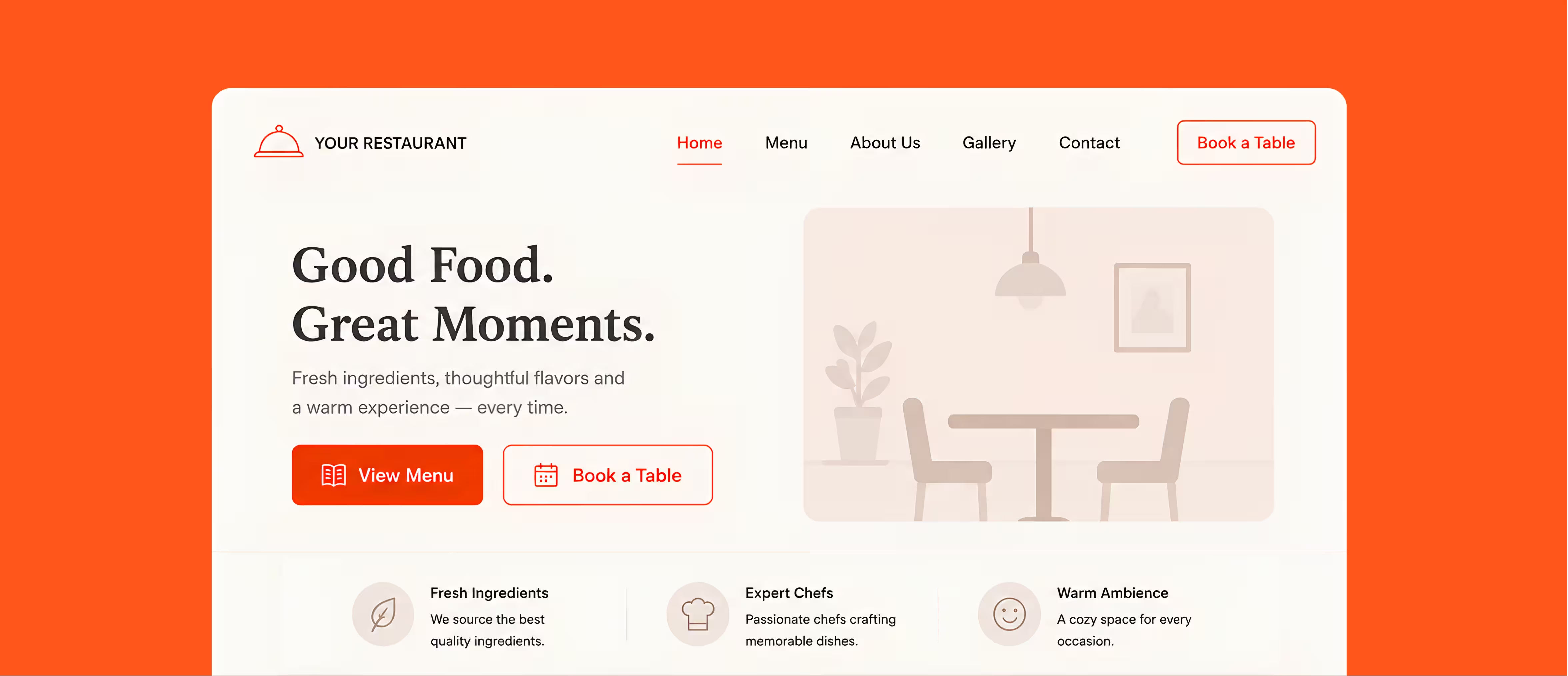
On your website and main profiles (Google, Instagram, Facebook), show your menu clearly with prices and key dietary labels (veg, vegan, gluten-free), display opening hours, location, parking info, and phone or WhatsApp for quick contact, and make any action button ("Book a Table" or "Order Now") obvious and easy to find. The goal is to remove friction. If someone cannot see your menu, cannot understand what you serve, or cannot figure out how to reserve, they will pick another place.
Add simple ways to capture leads
Not everyone who finds you is ready to walk in today, but they are still valuable. Add subtle ways to collect their contact details:
- Website pop-up or banner: offer something like "Get 10% off your next visit" in exchange for an email or WhatsApp number.
- Insiders list: invite people to "Join our insiders list" for early access to specials, events, or new menu launches.
- QR codes: add a QR code to tables or takeaway packaging that takes customers to a signup form or WhatsApp opt-in.
These are the people your restaurant lead generation system will nurture into regulars over time. Every contact you capture is one you own directly, without paying a platform every time you want to reach them.
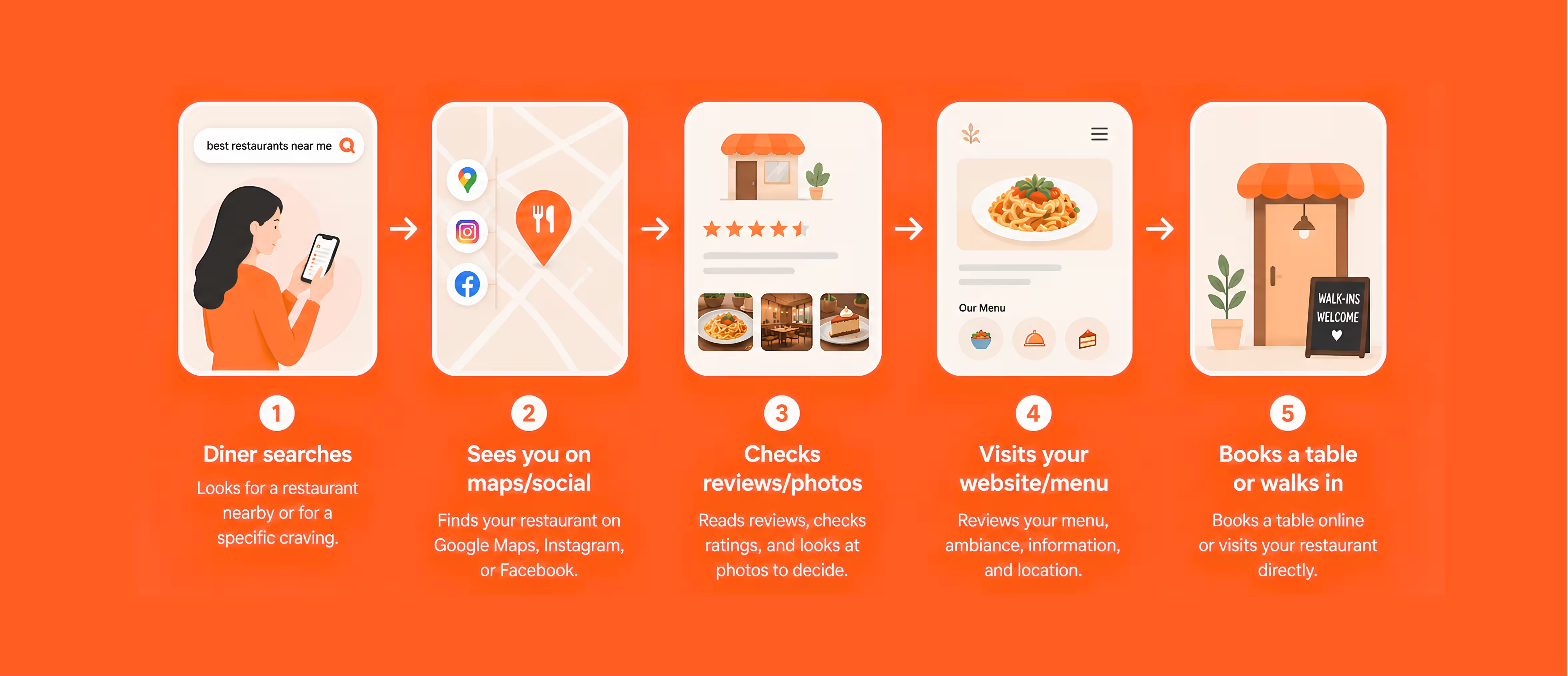
3. Use Local Search and Reviews to Capture Ready-to-Dine Guests
Some of your best leads are people searching "restaurants near me" right now, because they are hungry and ready to decide. You want to be the obvious choice they land on.
Optimize your local search and AI visibility presence
Make sure your name, address, phone number, and website are accurate and consistent across every platform. Inconsistent details confuse both customers and AI systems that pull business information from multiple sources. Upload high-quality photos of your food, interior, exterior, and people enjoying themselves. Strong visuals improve click-through rates and help your restaurant stand out in both search and AI-driven recommendations.
Write a description that matches your diner profiles, such as "fast, fresh lunch spot for office teams" or "family-friendly weekend dining with kids' menu." Clear positioning helps search engines and AI understand who your restaurant is for and when to recommend it. Respond to reviews quickly, both positive and negative, with a warm professional tone. AI systems increasingly use review sentiment and business engagement as signals when deciding which restaurants to mention.
Encourage reviews that match what new diners care about
You do not just want stars. You want useful, specific reviews. Train your team to ask happy guests to mention what they ordered and loved, why they chose your restaurant (location, occasion), and anything that stood out (service, atmosphere, speed, value). This language mirrors what new diners search for when deciding where to eat, and it directly fuels restaurant lead generation because you become the safe, obvious choice in your area.
Restaurants that show up in AI-generated "best of" recommendations get a significant advantage: the diner is already sold before they even click your listing.
4. Convert Social Media Attention Into Restaurant Leads
Social media is great for awareness, but likes do not pay your food costs. You want social to feed your pipeline and get more restaurant leads, not just engagement metrics that go nowhere.
Use social content to showcase real experiences
Focus on content that answers the unspoken questions customers already have: "What is it really like to eat here?" and "Is this a place for people like me?" Share short videos or photos of your signature dishes being prepared and served, moments of real guests (with their permission) enjoying meals, events, or celebrations, and behind-the-scenes glimpses of your kitchen, staff, and everyday routines. Pair each post with simple captions like "Save this for your next lunch plan" or "Tag someone you'd bring here."
Always give interested people a next step
Every social profile and many of your posts should guide people toward a clear next action:
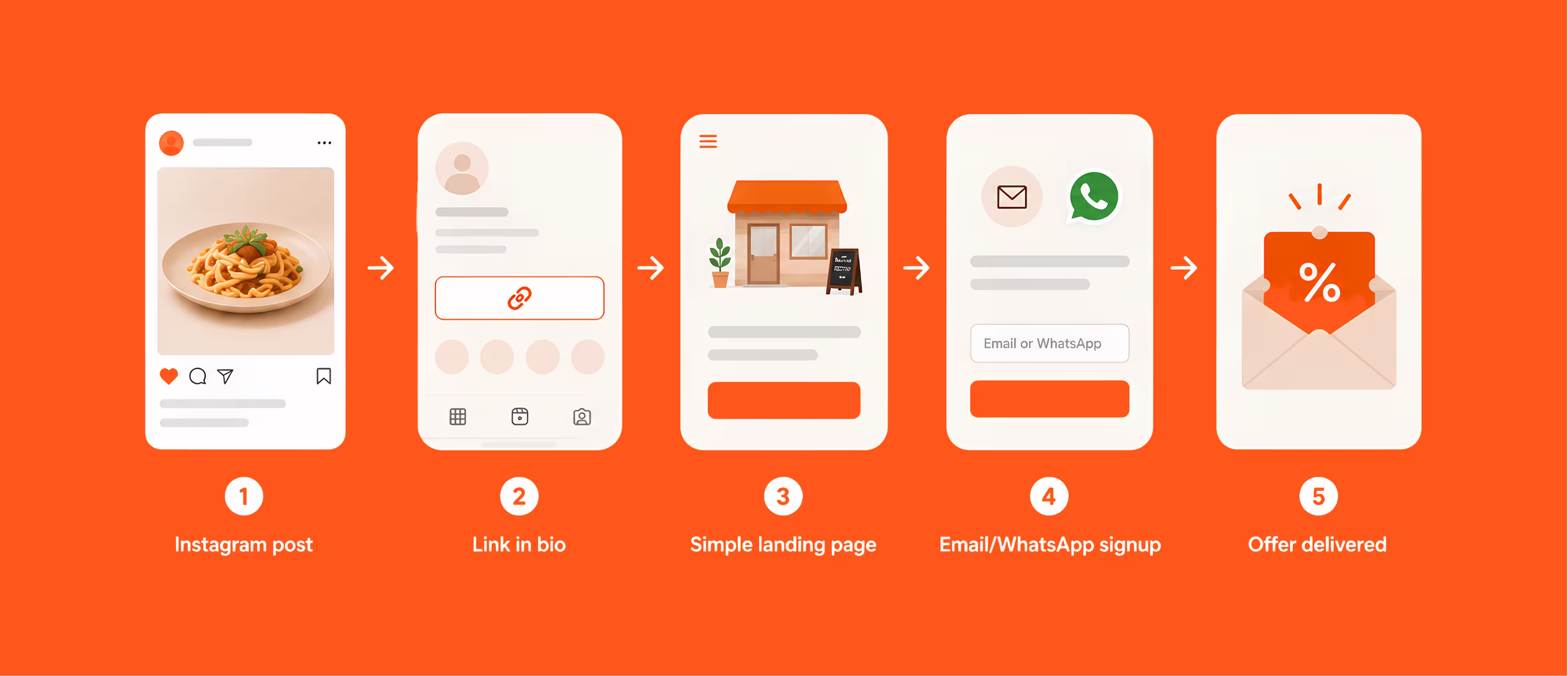
- Add a "Book Your Table" link in your bio.
- Invite people to "Join our WhatsApp list for today's specials."
- Offer something valuable: "Get 10% off your next visit when you join our email list."
When someone engages with your content, make it easy for them to move from "I like this" to "I'm on their list." That way, your restaurant lead generation system can continue the conversation and follow up effectively instead of losing them once the post scrolls past.
5. Use Email, SMS, and WhatsApp to Turn Leads Into Regulars
Once you have collected contact details, consistent and relevant messages are what convert one-time visitors and social followers into loyal guests who come back on purpose.
Design simple follow-up sequences
You do not need complex automation to get started. For new signups or first-time diners, keep communication simple and welcoming:
Keep messages short, friendly, and clear. Use photos occasionally to make them more engaging without overwhelming the reader.
Send timely, context-aware messages
Use your channels for slow-day nudges ("It's a quiet Tuesday - show this message and get a free upgrade tonight"), occasion-based offers (birthday month treats, festival menus, game-day specials), and new menu or event launches ("We're testing new dishes this weekend - here's a special invite"). These messages turn your audience into actual foot traffic and repeat customers, which is at the heart of an effective restaurant lead generation strategy.
6. Measure What Works and Turn Wins Into Repeatable Campaigns
To move from guesswork to reliable growth, you need to know which efforts actually get more restaurant leads and turn them into customers. You do not need perfect data to start, just consistent tracking.
Track a few simple metrics
- New leads per week by source (website, QR codes, social media, or walk-in signups).
- Return visit rate: compare people on your list with those who are not.
- Redemption rates: how many people use specific offers or campaigns.
- Changes in average covers per day or key time slots after running specific initiatives.
What matters is tracking consistently so you can spot patterns and understand what is working over time, not having a perfect dashboard from day one.
Turn successful ideas into repeatable house campaigns
When something works, for example a "Come back within 7 days and get a free appetizer" offer, do not treat it as a one-time win. Save the exact message, creative, and timing that performed well. Label it as a repeatable campaign you can quickly deploy whenever you need a boost. Test small variations such as a different dish, a different time window, or a different channel instead of starting from scratch every time. Over time, you will build a toolbox of proven restaurant lead generation campaigns you can rely on whenever you want to bring in more customers.
The restaurants that grow steadily are not the ones with the cleverest one-off promotions. They are the ones that found two or three things that work and kept running them.
7. Conclusion: From Random Walk-Ins to a Predictable Lead Engine
You do not need to remember every tactic from this guide. The most valuable thing is a way to think about restaurant lead generation as a simple, repeatable system instead of random marketing experiments.
When you are clear on your ideal diners, show up where they actually look (search, maps, social, AI recommendations), turn that visibility into a list of people who have raised their hand, and use consistent messages to bring them back on purpose, your restaurant stops relying on luck and starts running a predictable growth engine.
- One clear picture of who you want to attract and what makes them choose you.
- One online presence that turns visitors into leads and bookings, not just page views.
- One simple follow-up rhythm that nudges first-timers into regulars and fills slow days without panic discounts.
- One feedback loop that shows which ideas are worth repeating and which you can safely ignore.
If you put even part of this into action, you will start to see your restaurant differently: not as a place that fills when it gets lucky, but as a business with a system that brings the right people in on purpose.
Next: see how AI recommendations are reshaping how diners discover restaurants. Read How to Get More Restaurant Customers Without Food Apps.