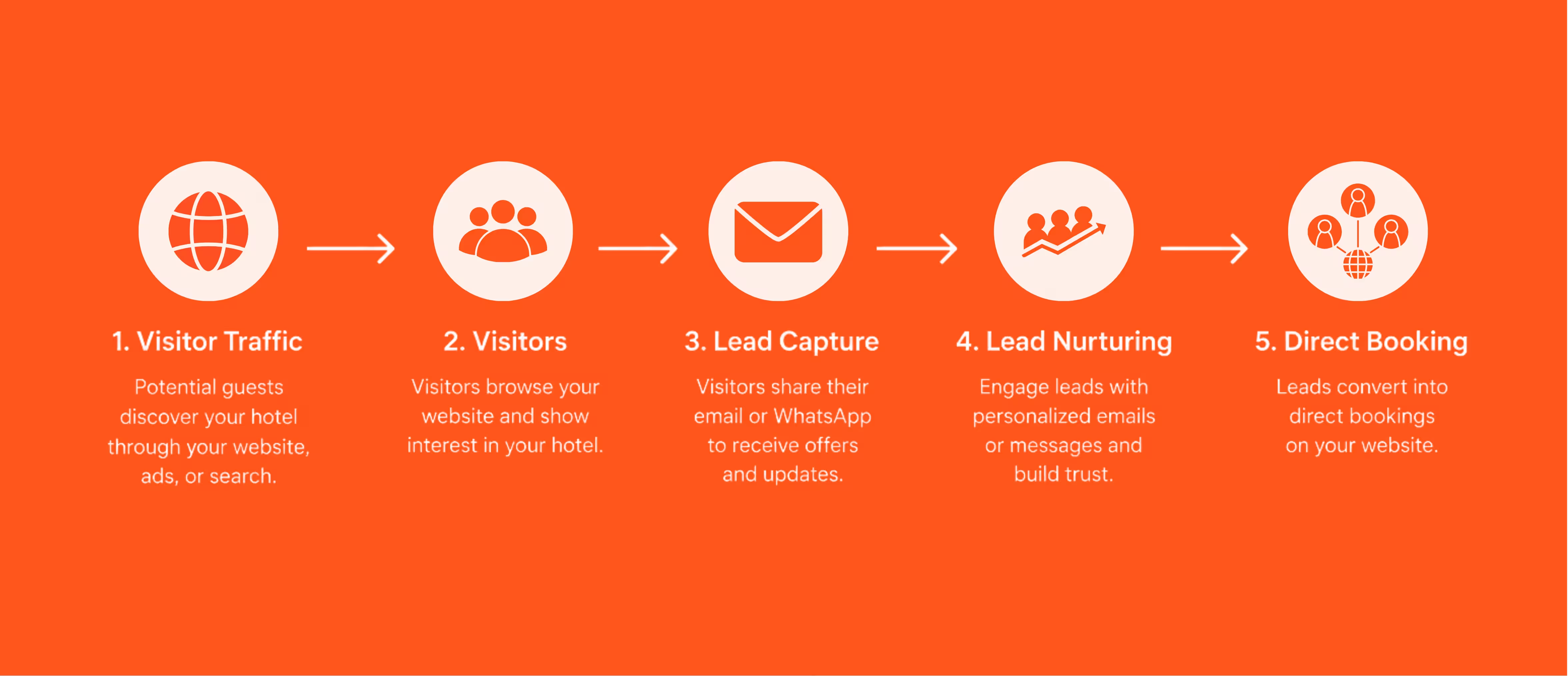
If your hotel still relies mainly on OTAs and generic ads, you are giving away margin and control. In 2026, the hotels that win are the ones that treat hotel lead generation as a system: they capture guest interest early, collect contact details, nurture relationships, and guide people to get hotel reservations online directly through their own channels.
This guide walks through seven practical strategies to generate high-quality leads for your hotel, helping you attract guests who are a strong fit for your property, more likely to book directly, and more likely to return in the future.
Executive Summary
How to Generate High-Quality Leads for Your Hotel
Effective hotel lead generation in 2026 is not about shouting louder on OTAs or racing to the lowest price. It is about building a simple system that keeps your hotel visible, trusted, and easy to book in the exact moments people are deciding where to stay.
- You consistently attract high-intent guests from search, maps, and local content.
- You turn first-time visitors into repeat, higher-value guests with targeted messages and offers.
- You run a predictable lead engine because you know which efforts drive qualified leads and direct bookings.
1. Know Your Ideal Guests Before You Generate Leads
Most hotels try to talk to everyone who might need a room and end up attracting no one in particular. Effective hotel lead generation starts with knowing exactly who you want to fill your rooms.
Define 2-3 priority guest profiles
Start by listing the guest types that matter most to your revenue and positioning. For each profile, write down why they travel (work, leisure, events, medical), when they travel (season, weekdays vs weekends, event dates), and what they care about most (location, price, experience, amenities, flexibility).
This turns traffic into potential leads. Every message, package, and campaign should be built for at least one of these profiles instead of trying to appeal to everyone at once. Common profiles include weekday corporate travelers, weekend couples looking for a getaway, and families who care about space, safety, and nearby activities.
Map their booking journey
Next, outline how each profile typically finds and chooses a hotel: where they start (search engines, maps, OTAs, recommendations, social content), what they check (photos, reviews, location, price range, cancellation policy), and what slows them down (unclear information, clunky booking forms, lack of trust).
Once you know how they decide, you can design each touchpoint to match their journey and remove friction. Your website, Google Business Profile, email sequences, and packages all become more effective when built around a real guest type.
Want to see how visible your hotel is when travelers ask AI assistants for accommodation recommendations in your area? Get your free AI Visibility Audit for Hotels.
2. Turn Your Website Into a Lead-Generation and Booking Hub
Your website should do two jobs at once: help ready-to-book guests complete reservations quickly, and capture contact details from people who are interested but not ready to commit.
Reduce friction to get hotel reservations online
On key pages (home, rooms, offers, location), make sure a clear "Book Now" or "Check Availability" button is always visible, the booking widget is simple with dates, guests, and room type but no unnecessary fields up front, and rates and room types are easy to compare without opening multiple tabs.
Avoid forcing account creation or long forms before a guest can see availability. The more steps you add, the more high-intent leads you lose before they ever reach checkout.
Use lead magnets for guests who are not ready to book
Most visitors will not book on their first visit, but many are good leads. Give them a reason to share their email address or WhatsApp number:
- "Get a 3-day itinerary for [your city]" tailored to couples, families, or business travelers.
- "Join our direct booking list for members-only rates and early access to deals."
- "Download our wedding, event, or group planning guide" for planners and corporate clients.
Place these offers as small timed pop-ups (after 30-45 seconds or on exit intent), and as in-page banners on relevant pages such as city guides, weddings, meetings, and long-stay offers. Your website becomes your main hotel lead generation asset, building a list you can nurture over time.
3. Capture Ready-to-Book Guests With Local SEO and Google Business Profile
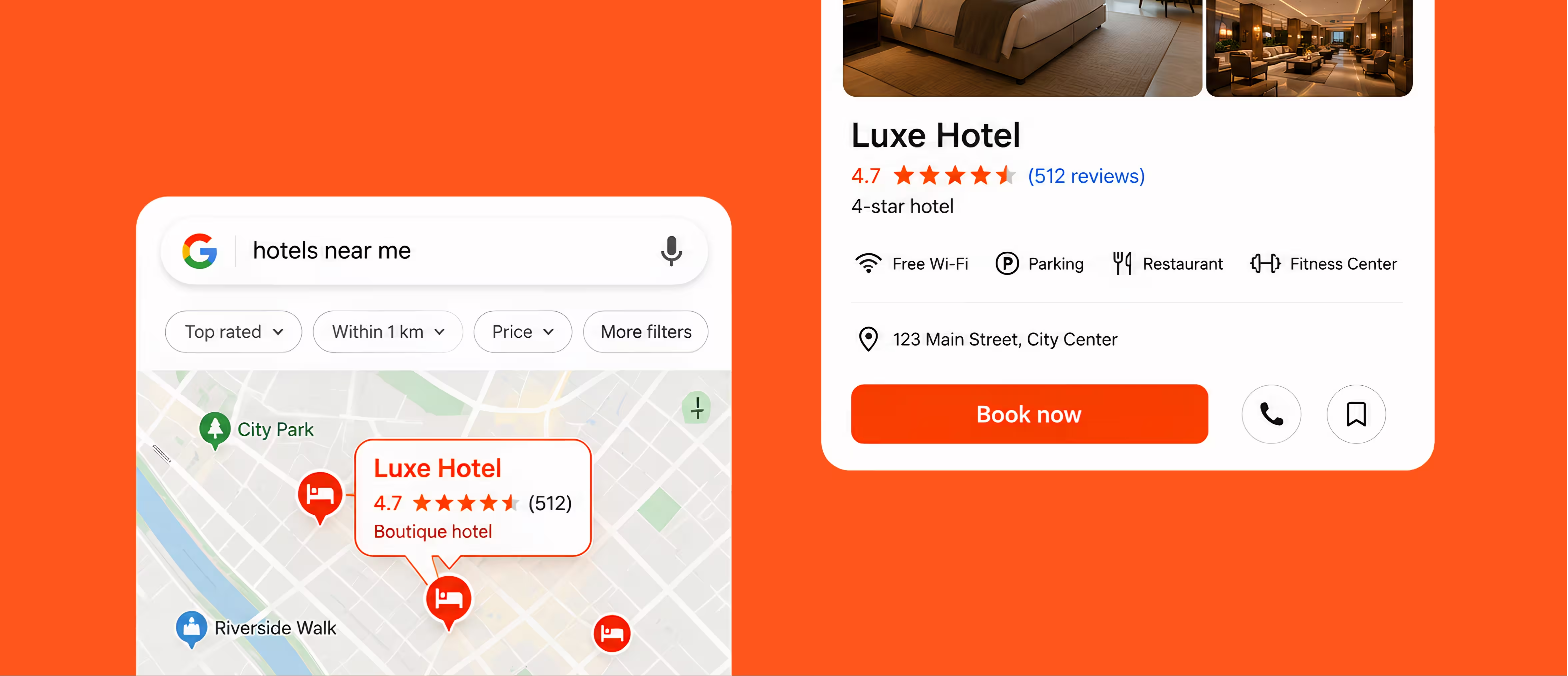
When someone searches "hotels in [city]" or "hotel near [landmark]", they are usually close to booking. You want to be in front of them at that exact moment with strong positioning, not buried below OTA listings.
Optimize your Google Business Profile
Make sure your profile is complete and compelling: accurate name, address, phone, and website that match your site and directories, high-quality photos of rooms, lobby, amenities, food, and surroundings, and a clear benefit-driven description that reflects your guest profiles. Encourage guests to mention specifics in reviews such as location, purpose of stay, and what they enjoyed most. This language often matches what new guests search for and builds trust quickly.
Create content that matches local search intent
On your website, publish helpful content that answers real questions travelers ask before booking. Some examples include "Best areas to stay in [city] for families, couples, or business travelers," "Where to stay near [landmark, hospital, stadium, or business district]," and "3-day weekend guide to [city] for first-time visitors."
Within these articles, include internal links to relevant room types or packages and clear calls to action to check availability or download a local guide. This content pulls in high-intent traffic and feeds your lead capture forms and booking engine instead of letting OTAs intercept that demand.
Local SEO and a well-optimized Google Business Profile are among the highest-leverage investments a hotel can make. They bring in guests who are actively searching to book, not just browsing.
4. Convert OTA and Social Traffic Into Long-Term Leads
Many guests first discover you on OTAs or social media and then forget about you. The goal is to turn these rented audiences into owned leads you can reach directly in the future.
Build post-stay flows for OTA guests
Even if the first booking comes via an OTA, collect guest emails and phone numbers through check-in forms, Wi-Fi login, or digital registration. Offer a clear benefit for booking direct next time: better rates, added perks, flexible check-in or check-out, or loyalty rewards.
After their stay, send a thank-you and feedback request, then follow up with a "book direct next time" offer aligned with their stay type (business, family, couple). Over time, more of your repeat guests will bypass OTAs and come directly to you, improving margins and giving you more control.
Turn social engagement into email and WhatsApp leads
On Instagram, Facebook, or other platforms, link posts and ads to focused landing pages for specific packages (romantic weekend escape, family package, corporate stay plan). Offer a simple, clear value in exchange for contact details: an exclusive package, bonus add-on, or early-access deal. Tag each lead source so you know which social campaigns generate actual bookings, not just likes.
5. Use Email, SMS, and WhatsApp to Turn Leads Into Direct Bookings
Once you have captured leads, consistent and relevant follow-up is what turns them into paying guests. Most hotels capture contact details but never follow up in a structured way, leaving money on the table.
Design simple follow-up sequences by lead type
For each segment (leisure, business, events), set up a short sequence:
Keep each message short, visual, and focused on outcomes: rest, convenience, celebration, productivity. Not just room size and price.
Personalize based on behavior and intent
If your tools allow basic tracking, send stronger calls to action to people who open and click multiple times. Slow down or change the angle for those who never open (try different subject lines or channels). Tailor content based on which pages or offers they interacted with, such as romantic packages versus family suites versus meeting rooms. Done right, your messaging feels like a helpful guide, not spam.
The average hotel lead needs 3 to 5 touchpoints before committing to a booking. A simple automated follow-up sequence handles this without manual effort.
6. Generate High-Value Corporate, Group, and Event Leads
Some of your best leads are not individual travelers but companies, organizers, and families planning events. They need a different path than your standard booking engine, and they are often worth significantly more per reservation.
Create dedicated funnels for business, meetings, and weddings
On your website, build clear pages for corporate stays and long-stay business guests, meetings and conferences and retreats, and weddings and celebrations and social events. Each page should explain what you offer in their language (Wi-Fi, meeting rooms, AV support, catering, room blocks, photo spots), feature an easy inquiry or RFP form that collects key details (dates, group size, budget, special needs), and set expectations on response time and next steps.
Route these leads into a separate sales pipeline, even a simple one, with clear follow-up tasks and timelines. Corporate and event leads should never fall into the same generic drip as leisure travelers.
Nurture these leads with tailored communication
Instead of generic hotel emails, share sample packages, floor plans, and example agendas. Include short case studies of similar events or corporate clients you have hosted. Offer site visits or video calls to discuss details. These leads often take longer to close but are worth more, so a focused and professional follow-up process pays off significantly.
7. Measure What Works and Turn Wins Into Repeatable Campaigns
To move from guesswork to a reliable hotel lead generation engine, you need to track what is working and repeat it deliberately.
Track simple but meaningful metrics
Start with a handful of outcome-based numbers you check weekly or monthly:
- Leads captured per month by source (website, Google, social, OTAs, referrals).
- Conversion rate from lead to booking for each segment (leisure, business, event).
- Share of total bookings that come through direct channels versus OTAs.
- Repeat booking rate and growth of your email and WhatsApp list.
You do not need complex dashboards at first. Consistent tracking lets you compare over time and see which efforts are actually moving the needle versus which ones just feel productive.
Turn successful campaigns into reusable assets
When a specific offer or package performs well, save the landing page, emails, ad creatives, and audiences as a named campaign. Re-use and slightly adjust them for new dates, seasons, or segments. Test small variations such as headline, image, or bonus add-on instead of creating from scratch every time. Over time, your marketing becomes a library of proven playbooks instead of one-off experiments.
8. Conclusion: From Random Bookings to a Predictable Lead Engine
High-quality leads do not come from luck. They come from a clear system that attracts the right guests, captures their details, and guides them to book directly with you.
When you define your ideal guest profiles, turn your website into both a booking and lead-capture hub, show up strongly in local search, convert OTA and social attention into your own database, follow up with targeted messages, and give corporate and event leads their own dedicated path, you stop depending on random OTA traffic and walk-ins and start running a predictable hotel lead generation engine.
The hotels quietly winning in 2026 are not the ones with the lowest OTA rates. They are the ones who built a system that attracts, captures, and converts the right guests before a competitor even shows up.
Capturing leads is only the first step. Learn how to convert them into more direct revenue with our Hotel AI Visibility Playbook.